
AI Coaching Tools
Compare AI coaching tools for personal reflection, habit accountability, goal planning and skill practice. Check supported devices, pricing, boundaries and data policies.
1 tool, updated November 2026

What AI coaching tools do
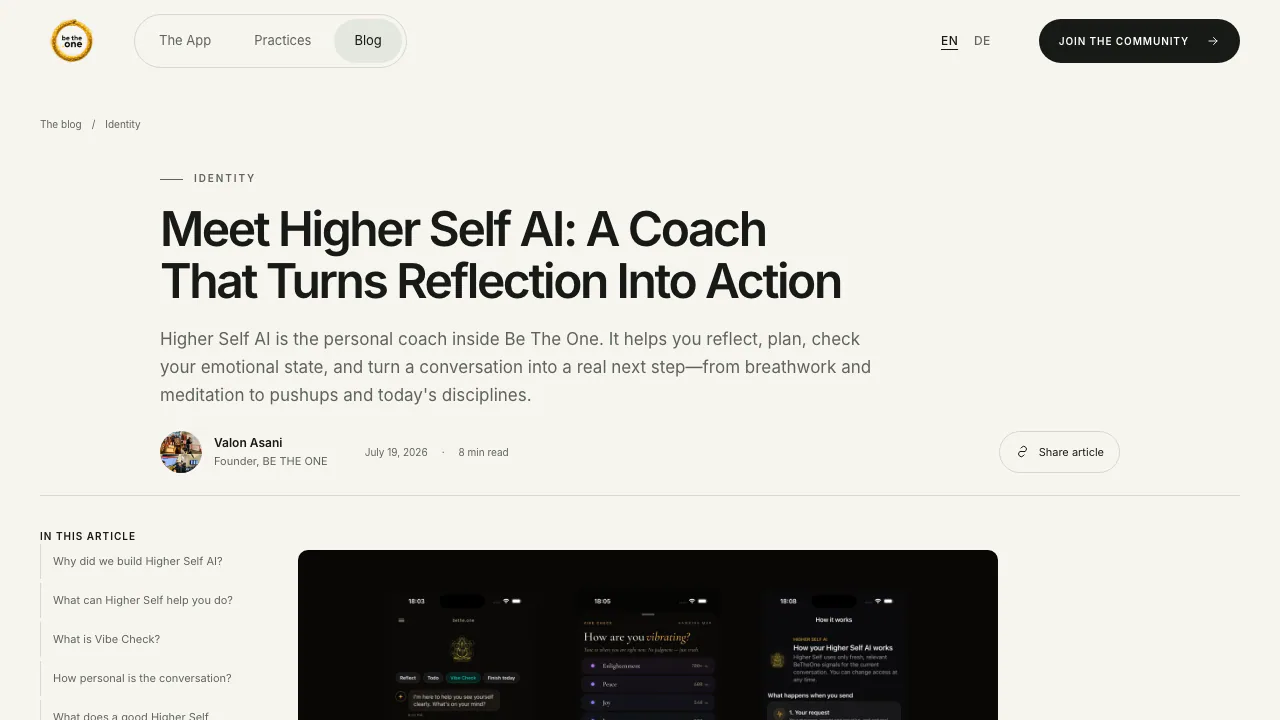
AI coaching tools use conversational AI to guide personal reflection, goal planning, habit accountability, or structured skill practice. Unlike general-purpose chatbots, they typically pair chat with a specific framework—such as emotional check-ins, daily rituals, goal tracking, or guided exercises—so a conversation leads to a concrete next action.
How to compare AI coaching tools
- Action loop over advice: Check whether the tool connects reflection to real follow-through (habit logs, guided practices, weekly plans, or reminders) instead of ending at a chat reply.
- Context and memory controls: Review what personal context the coach can read (daily progress, journals, goals) and whether you can limit or turn off that access.
- Safety and clinical boundaries: Coaching tools are not licensed therapy, medical care, or legal advice. Prefer products that state their limits clearly rather than overclaiming outcomes.
- Platform access and pricing clarity: Confirm whether the app runs on web, iOS, Android, or desktop today (or is still in beta), and check whether pricing is published upfront before creating an account.
- Data privacy and model training: Because coaching involves sensitive personal thoughts, verify which AI model providers process your conversations, whether API inputs are excluded from model training, how long logs are retained, and how account deletion works.
When a general chatbot may be enough
If you only want an occasional sounding board without habit tracking, guided sessions, or built-in reminders, a general assistant with custom instructions may cover your needs without another subscription. Dedicated AI coaching apps make more sense when you want a structured daily workflow around your conversations.